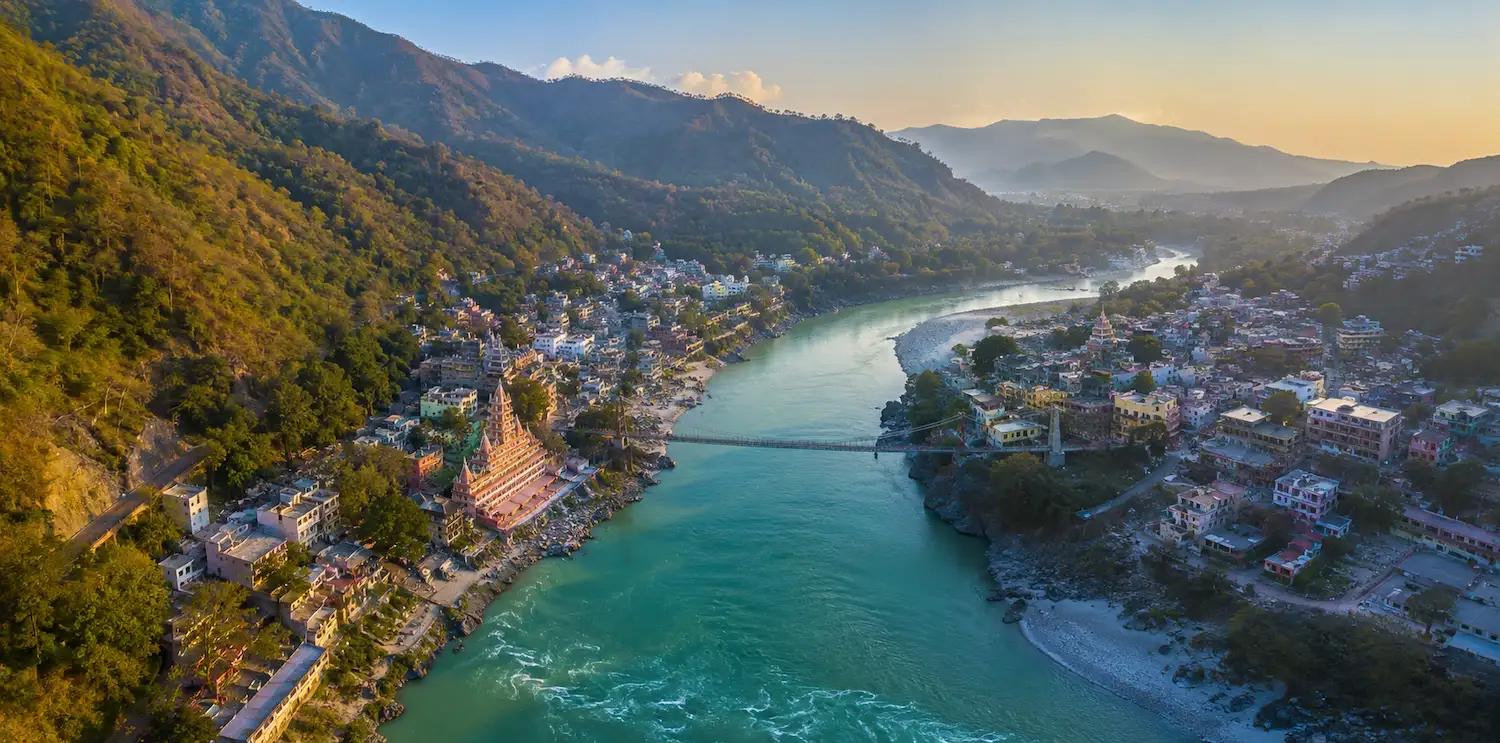
For a long time, "second home in India" meant Goa, or maybe a flat in Mumbai. That's quietly been shifting, and it's worth understanding why — especially if you're trying to decide where your own search should focus.
The climate argument is simple, and it's real
Goa's appeal is the beach, but that comes with heat and humidity most of the year, plus an intense, crowded monsoon season. The Himalayan foothills offer something genuinely different: cooler temperatures, cleaner air, and a climate that feels closer to wherever many NRIs are currently living abroad — comfortable, not punishing.
Land economics tell a clear story
Goa and Mumbai have both seen land prices climb sharply over the past decade, driven by tourism and urban demand respectively. Uttarakhand's hill districts, by comparison, are still in an earlier stage of that curve — meaning land that's still genuinely accessible today is the kind of land that gets harder (and pricier) to find in popular coastal or metro markets every year.
It's not just a holiday house — it's a connection to home
This is the part that's harder to quantify, but it shows up in nearly every conversation we have with NRI buyers: there's a difference between owning a holiday property in a tourist destination, and owning a home in a landscape that feels like a genuine return to roots. For many buyers, especially those with family ties to North India, the hills carry an emotional weight that a beach house simply doesn't.
A flat in Mumbai is an investment. A home in the hills, for a lot of our clients, is something closer to a promise kept.
Less crowded, more livable long-term
Goa's beach towns and Mumbai's neighborhoods have both grown dense and, in places, genuinely congested. Uttarakhand's hill stations — particularly the less-discovered ones like Lansdowne — offer something increasingly rare: actual space and quiet, which matters enormously if the long-term plan is eventual retirement, not just an annual two-week visit.
The infrastructure gap has closed faster than people realize
A common hesitation about hill properties used to be "but what about hospitals, what about connectivity." That gap has narrowed substantially in places like Dehradun and Rishikesh, which now offer genuinely solid healthcare, schools, and transport links — while still being a short drive from the kind of quiet that started this whole search in the first place.
None of this means Goa or Mumbai are bad choices — they're just different choices, suited to a different kind of second-home life. The hills are simply the option more buyers are now seriously considering alongside them, often for reasons that have less to do with investment logic and more to do with what actually feels like home.
Curious if a hill home fits what you're picturing?
Explore Our LocationsA note on this article.
This article reflects general trends and observations, not investment advice or a guarantee of returns. Property markets, regulations, and individual circumstances vary and can change. This is not legal or financial advice — please consult a qualified financial advisor, lawyer, or relevant government authority before making any property decision. Hillscape Homes does not accept liability for decisions made solely on the basis of this article.